Spotlight on Kyle Leskiw: A Structural Engineer
At co-elevate, we’re all about celebrating the people who show up with passion, purpose, and their whole selves. Today we’re celebrating Kyle who joined the co-elevate team in March 2025!
Kyle is one of our fully remote team members, working all the way from Alberta. He completed his Bachelor’s degree in Civil Engineering with a minor in Structural Engineering at the University of Calgary in 2010.
To get to know him (and his expertise) we asked a few questions. Here is what he shared:
How did you find co-elevate?
The same way I’ve found all fantastic things in my life, online! (My wife and I met online 😊)
Why did you decide to join co-elevate?
From the very first line of the posting “Do you observe structural systems while on vacation?” I knew I found a group as passionate about engineering and as nerdy by nature as I am. Everyone here shares a genuine passion for engineering and for bettering our communities. It’s not just about the work; it’s about using our skills to improve society.
There was also huge potential for professional growth. I’ve worked at 500+ person firms that design 50+ storey towers, and the technical strength at co-elevate meets or exceeds anything I’ve seen.
What surprised you the most when you joined?
There was a bit of culture shock, but in a good way. My tag-line for the first few months was:
“that is so totally different from what I’ve seen everywhere I’ve been, but it’s so much better/smarter….why didn’t anyone think to do this?”
Everyone here pushes for better. No one settles. I’m constantly amazed at the depth and variety of experience in such a small team.
Another standout is the commitment to employee growth. Project work was 120% of my previous roles, now we are actually around 80/20 - 20% towards growth and learning. That’s allowed me to expand my skillsets, add economy and efficiency to the finished product.
What has been your biggest challenge (skill or project wise)?
Both the biggest skill and project challenge was the Strathroy Police Station addition (post-disaster building under OBC 2024/NBCC 2020). It had been a few years since I’d worked on a post-disaster building, and the new requirements for masonry and moderately ductile shear walls was challenging. Learning all the new requirements, methodology, and detailing for those masonry walls was exciting and demanding. Ontario’s restrictions on Public Works is also very different from Alberta’s.
What are you most proud of at co-elevate?
I love projects that help the community. Two standouts are a feasibility study to transform an industrial building into a rehab center, and an expansion to the Carpenter’s Union Hall to support training in the trades. There is such a growing need for skilled trades in the construction industry, I feel honored to be a small part of that.
Best advice for someone starting a career?
Engineering is complex, but if you can find a way to simplify it and break it up into manageable portions and basic principles you’ll find its not as complex as originally thought.
To all the new engineers: get out to site and observe how stuff goes together and gets built. I really feel that is so crucial to good engineer’s development.
Don’t be afraid of failure, look forward to learning opportunities, and always look to simplify things.
And choose mentors who align with your personal and professional goals. I’m grateful to my mentors for giving me a sense of pride in technical excellence, code compliance, and inspiring me to work on impactful projects in my community.
What’s a cool or unusual project you’ve worked on?
I designed my first ever grain hopper (big funnel) shortly after joining co-elevate. It was technically challenging as there is very little Canadian code guidance. For someone based in Southern Alberta, it took almost 10 years for me to do something farming related.
In past roles, I worked on everything from custom structures/statues, to movie set pieces and amusement park elements.
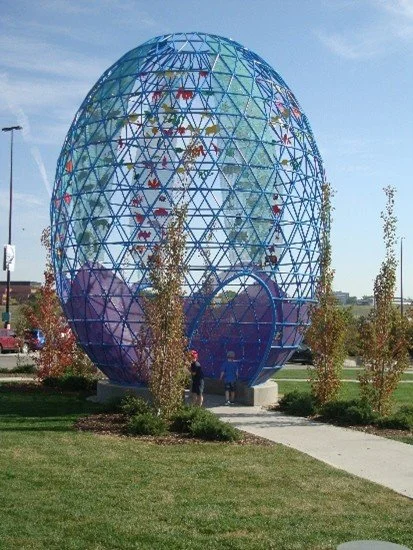
Some favourites: The “egg” at the Calgary Zoo (my old classmate did the geotechnical work), and then I worked on the structure. I did the entry tipi at Calgary Stampede grounds too, though that has since moved for the new event centre.
What inspired your love for wood design?
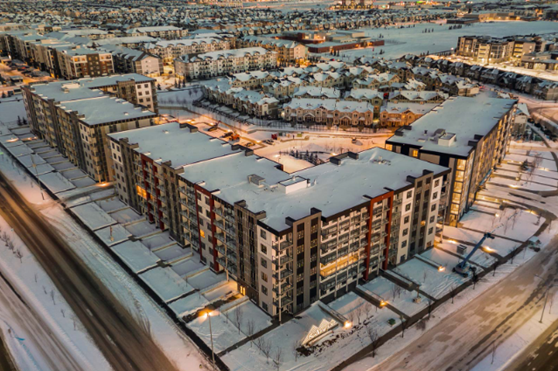
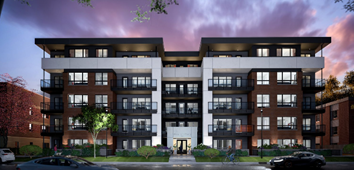
It was a happy accident. I started my career in Oil and Gas designing skids, pipe racks, and pile foundations, but craved more variety. I joined a small structural engineering firm (team of 3) focused on wood frame multifamily and fell in loved with the “puzzle” of framing non-stacking buildings.
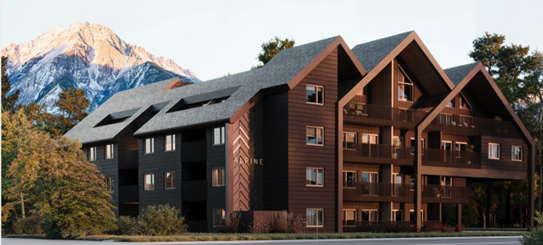
I embraced the intricacies of working with wood. There is a lot more math and checks, and the uniqueness of dealing with shrinkage on multistorey buildings. My involvement in affordable housing projects and the Mustard Seed, Calgary really showcased how wood can help get more people housing for less cost.
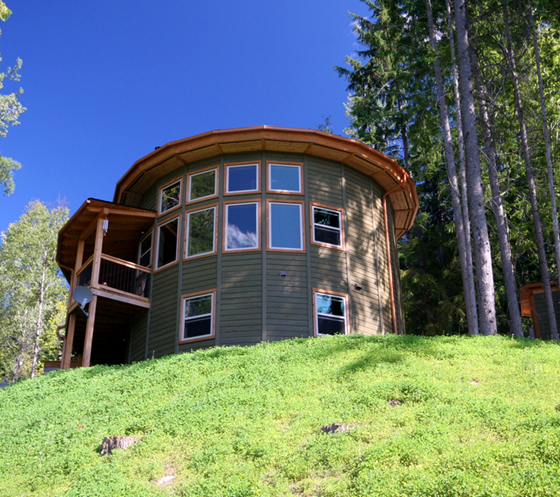
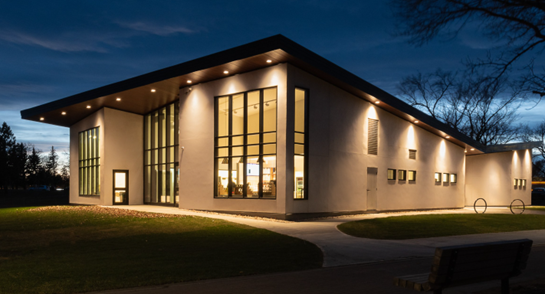
At the same time, I began working on large custom homes all across Canada and award winning projects like the Nikka Yuko Bunka Center. Exposed wood has always held a special place in my heart.
How long have worked with wood, and what’s your specialty?
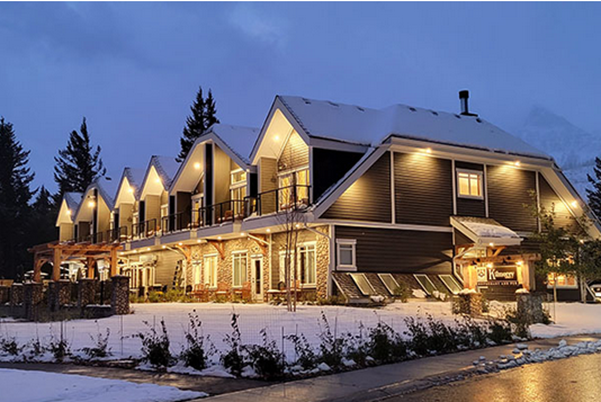
It’s been 15 years. I specialize in multi-storey lateral systems (shearwalls, diaphragms, etc.) and high wind and seismic design. Living near some of the windiest regions in Canada has definited shaped that.
Any hidden talents or hobbies?
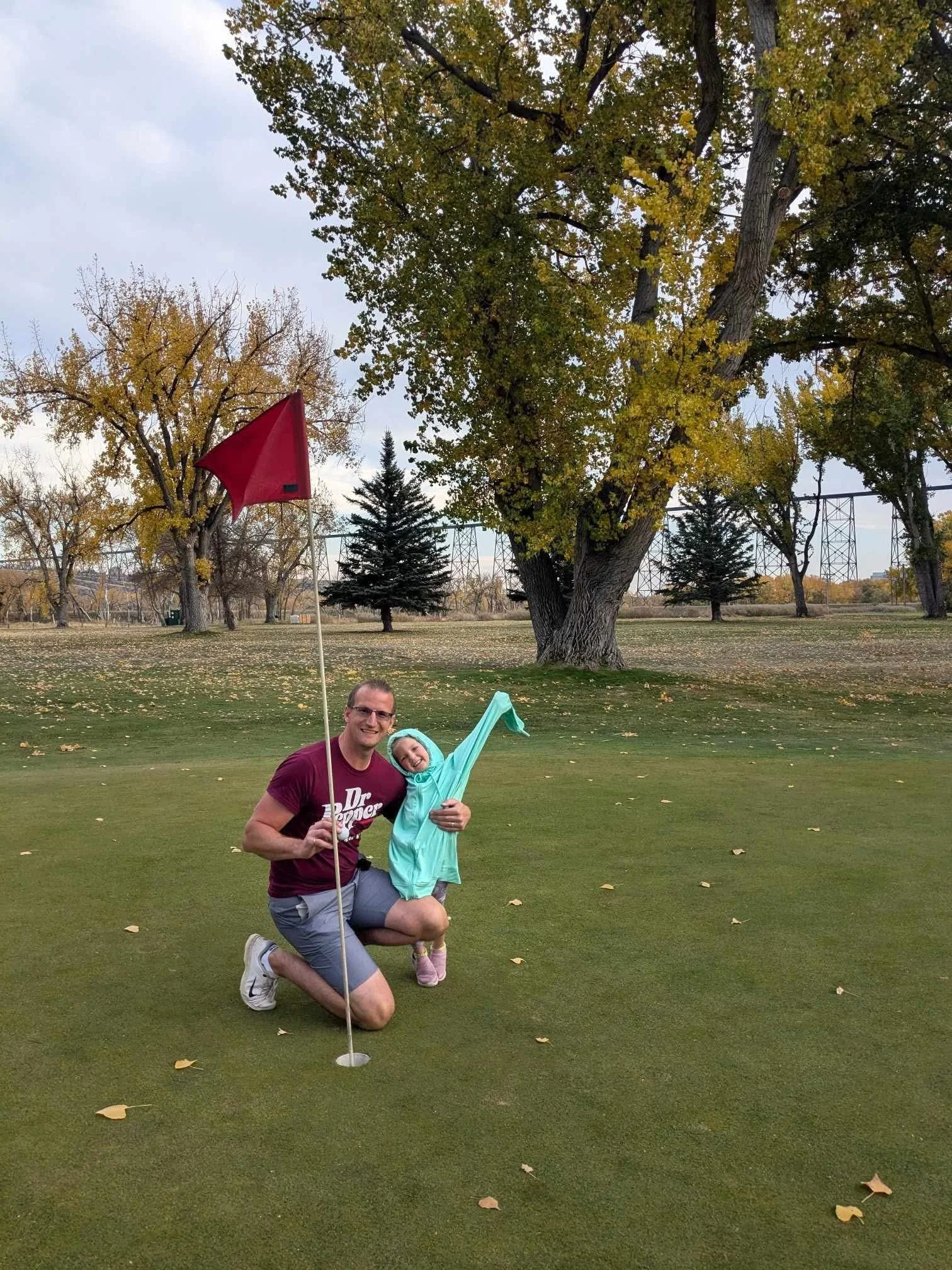
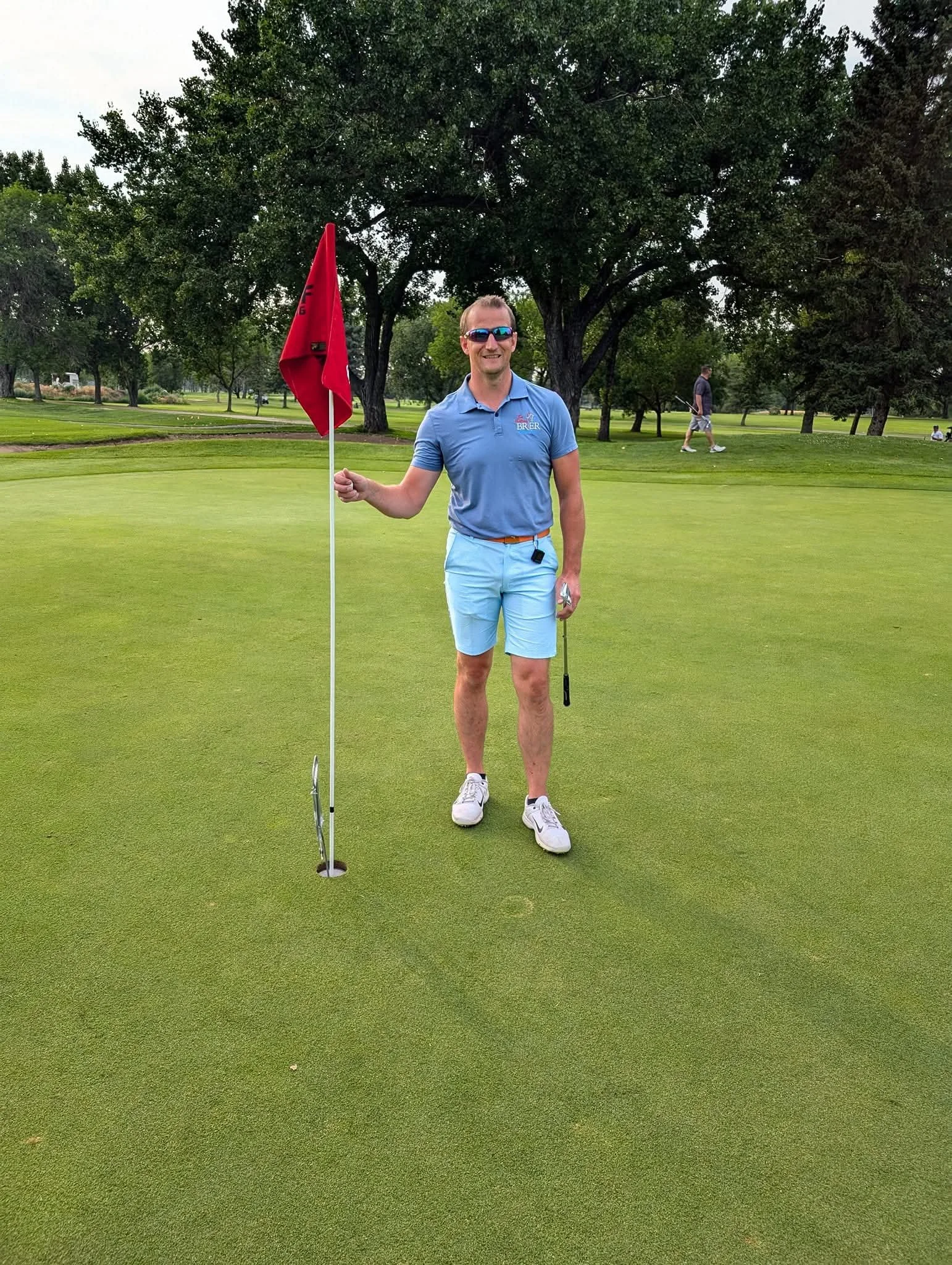
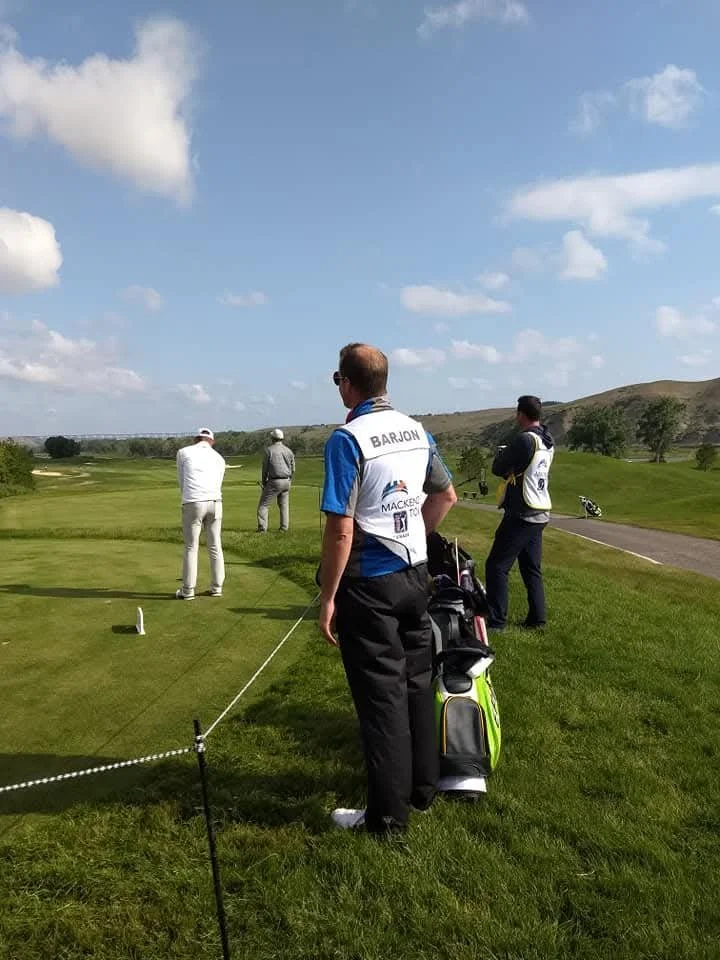
I have a pretty big passion for golf 😊. I have 2 hole in one’s, with one being with my whole family which was awesome. And I once caddied for Paul Barjon during the Mackenzie Tour (Canadian PGA) event. I also test products for Rapsodo golf - my engineering brain loves the custom fitting aspects of golf equipment.
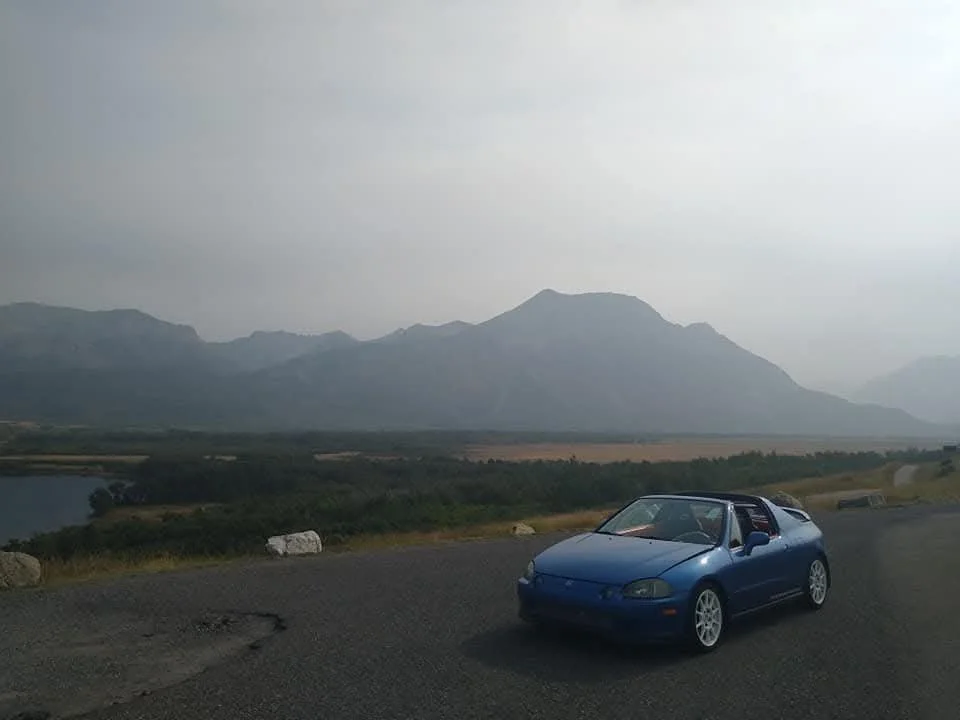
I also love tinkering with cars and motorcycles. It started with a moped at 14 and led to tinkering, rebuilding and custom fabrication. These days, I cruise with my kids what they call the “zoom zoom fast car”; a 1993 Honda Del Sol - once featured in Super Street magazine.